https://www.verywellhealth.com/what-side-effects-can-i-expect-after-lasik-3421949 By-Walther Ejlersen
If you're thinking about vision improvement alternatives, PRK eye surgical procedure could be on your radar. It's developed to reshape the cornea, aiding with astigmatism, nearsightedness, and farsightedness. Unlike LASIK, PRK misses the corneal flap, making it a viable selection for those with thinner corneas. But is it the best fit for you? Allow's discover just how PRK functions, its advantages over LASIK, and what dangers you should know.
How PRK Surgical Treatment Deals With Astigmatism, Nearsightedness, and Farsightedness
PRK surgical treatment successfully corrects astigmatism, nearsightedness, and farsightedness by improving the cornea.
Throughout the procedure, your eye doctor uses a laser to eliminate a slim layer of corneal tissue, allowing light to focus properly on your retina. This adjustment changes the curvature of your cornea, resolving the details refractive error you have.
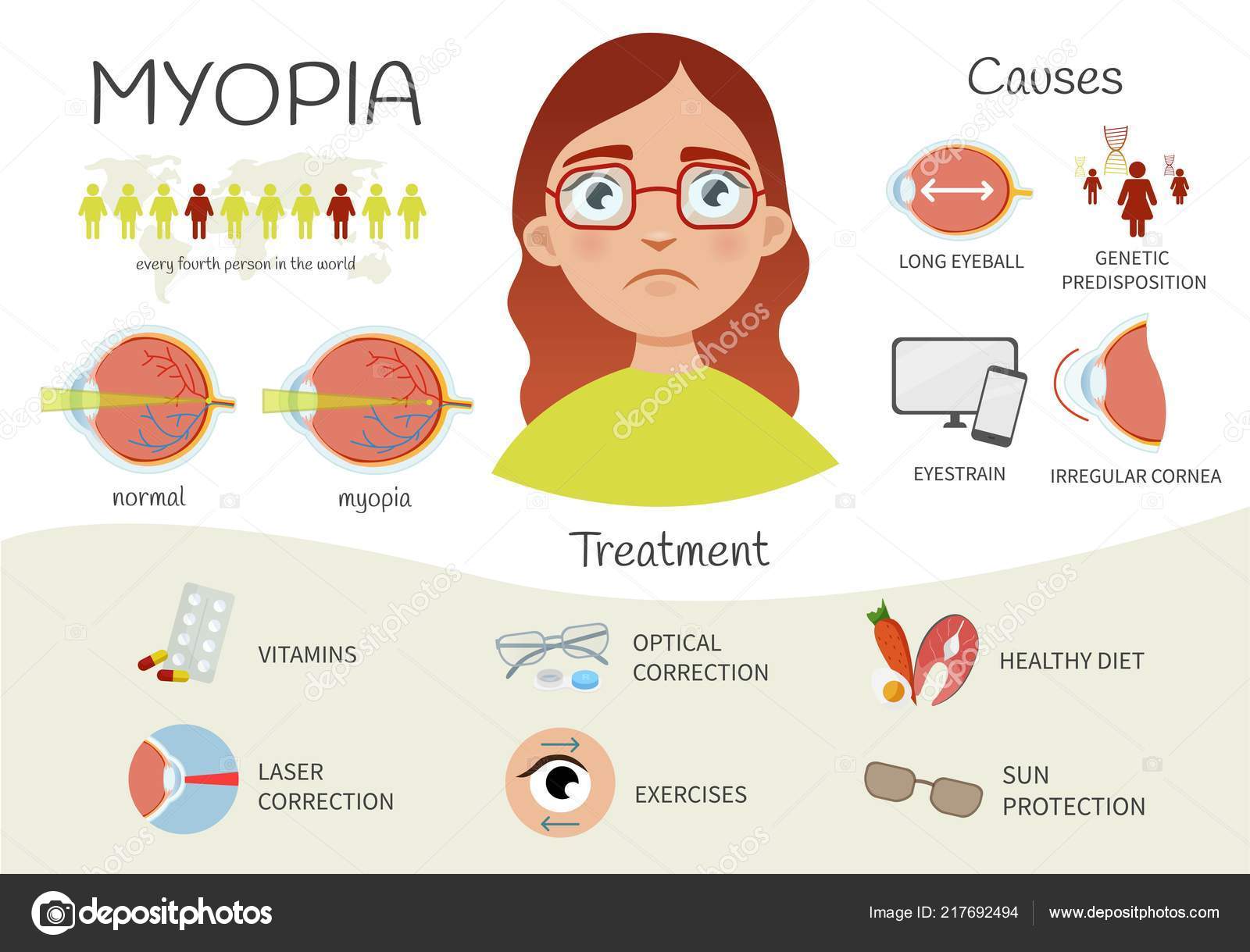
If you're myopic, the laser squashes your cornea; if you're farsighted, it steepens it; and for astigmatism, it smooths out abnormalities.
After surgical procedure, your vision typically boosts as your eyes recover, though healing might take longer than with LASIK.
PRK's performance makes it a sensible alternative for those seeking quality in their vision without glasses or contacts.
Benefits of Choosing PRK Over LASIK for Vision Correction
While many individuals take into consideration LASIK for vision improvement, selecting PRK can provide special benefits that make it an engaging option.
One of the standout benefits is that PRK does not entail reducing a corneal flap, which lowers the danger of difficulties connected with flap-related issues. mouse click the next article makes PRK particularly appropriate for individuals with thinner corneas.
Furthermore, PRK has a tested track record for treating higher levels of astigmatism and is effective for those with dry eyes, as it maintains more corneal nerves.
The recuperation process can be a bit longer, however numerous find that the outcomes are worth the delay.
Eventually, picking PRK can provide you with steady, durable vision modification customized to your certain demands.
Exist Dangers or Drawbacks to PRK Eye Surgical Treatment?
What should you understand about the risks or disadvantages of PRK eye surgical treatment? While PRK can successfully fix vision, it is very important to be knowledgeable about prospective complications.
You might experience pain, including burning or itchiness, throughout the first healing stage. This pain usually subsides, but some clients report extended sensitivity to light.
Furthermore, there's a possibility of under-correction or over-correction, which might demand further procedures.
Vision recovery may take longer than with LASIK, often several weeks. You may also encounter a greater risk of haze development, particularly if you have a history of dry eyes.
Constantly consult your eye care specialist to talk about these threats and determine if PRK is the right choice for you.
Verdict
In conclusion, PRK eye surgery can successfully deal with astigmatism, nearsightedness, and farsightedness by reshaping your cornea. It offers distinct advantages over LASIK, especially for those with thinner corneas. While healing takes longer and may involve some discomfort, the possibility for stable, lasting vision makes it a rewarding factor to consider. Constantly talk to your eye care expert to figure out if PRK is the ideal option for your vision needs. Take the primary step towards more clear view today!